
Seven Mistakes in Genealogy

Before contacting us most of our clients already did first researches as amateur genealogists. Due to typical beginner’s mistakes they often get wrong results. Partly these are researching mistakes or misinterpretations, which are prohibiting finding the necessary documents. And sometimes the new born genealogists just do not know where to search.
To ensure more successful results, today we are presenting seven of most frequent mistakes that you should prevent when intending a genealogical research.
1. Missing Documentation of Sources:
If you do not note down continuously the sources of gathered information or results you will have trouble proving them. The principle of professional genealogy is to prove all information you researched. It is important not to speculate. Therefore you should check also other independent sources in case of contradictory sources.
2. Unsorted Documents and Photos:
Every genealogist needs his own reliable system to work and do further research. Therefore, always organize documents and photos systematically. It is up to you to organize them either traditionally on paper or digitalized. Without any system it will be very difficult for you to find the relevant document at the right time.
3. Unlabelled Photos:
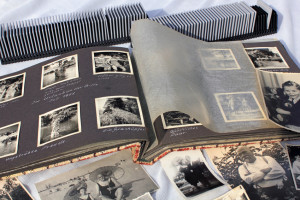 I am sure this will seem familiar to you: You are regarding an old photo of your great-grandfather and other persons. But you do not have any idea who this persons are neither when this photo was taken. Do your descendants a favor and label your photos. Write down the names of the persons on your photos, the date and place and other important information. As time goes by you may forget these details and future generations never will know about them.
4. Copying Information from Online Platforms:
Nowadays there are a lot of online platforms, where user can capture their ancestors. It is important to know as a user that this data often is unverified. Not every information online is true. Therefore it is advisable to assume just the data which is verified by any document.
5. sich auf erzählte Familiengeschichten verlassen
Die meisten mündlich übermittelten Familiengeschichten sind zumindest teilweise richtig (obwohl es auch hier sicherlich Ausnahmen gibt). Aber eine von Generation zu Generation mündlich übermittelte Anekdote ist wie eine Flüsterpost: Es werden Details verändert, manchmal absichtlich und manchmal unabsichtlich. Deshalb sollten Sie wichtige Informationen nur dann in Ihre familiengeschichtliche Forschung aufnehmen, wenn Sie diese auch durch Fakten untermauern können.
6. Fantastic Stories about the Family:
Most of families have special stories which are told over generations. And mostly they are true. Please also consider that such stories are transmitted from generation to generation orally and sometimes details are changed or missing accidentally or even by purpose. This is why you should only consider family stories when you can prove it factually.
7. Disregarding Older Relatives:
You can get the most important information from these people. They will report completely at first hand and if you do not write down their knowledge about the family they will take it into the grave. It is highly valuable to involve contemporary witnesses to your family researches. After their death you may research facts about them but you will never know additional and personal information of this people once they have passed away.
To sum up, genealogy is not all about writing down facts and numbers. To get a holistic image of your research you need to use all available sources like letters, family books, proof of ancestry, newspaper articles, testaments, documents from courts or the military, natal registers, death records aso.
Considering these seven hints you will have more success in your own research. For professional support please do not hesitate to contact us!
This post is also available in: